Bike and bag setup
What goes where, how to keep it stable, and what not to bring.
Learn by doing
Practical instruction is part of every trip. If learning is the main goal, we can slow down, go deeper, and help you leave ready to plan the next one.
01
Useful enough for the road, explained without turning your weekend into a certification course.
What goes where, how to keep it stable, and what not to bring.
Handling, braking, climbing, pacing, and making a long day sustainable.
Surfaces, services, daily distance, water, resupply, and backup options.
Arrival routine, shelter, food, clothing, charging, and an easier morning.
Fixing a flat, checking a loose bike, chain trouble, and knowing when to stop.
A repeatable way to build a realistic trip after the guided one ends.
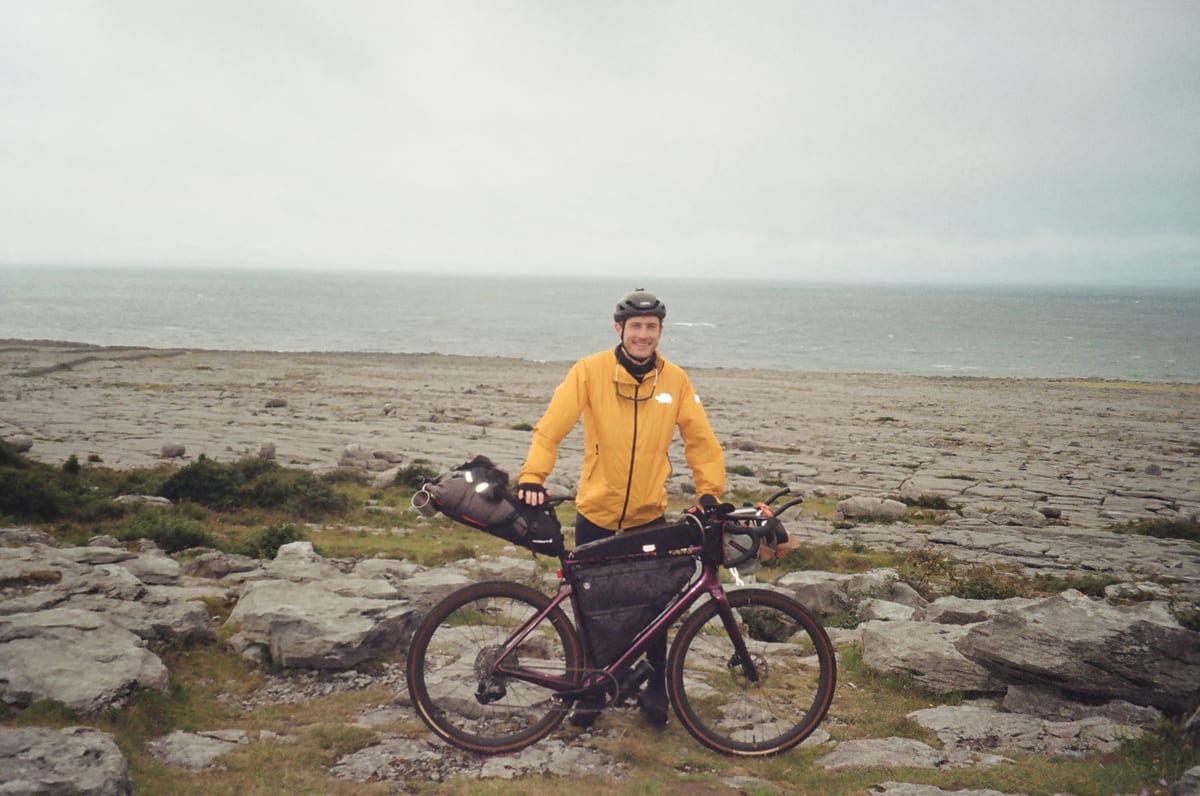
Your pace counts
The point is not to perform competence. We can stop, adjust a bag, talk through a mechanical problem, change the day plan, and make sure the lesson lands while it is useful.
Two learning levels
Pre-trip bike and gear review, packing guidance, route briefing, loaded-bike tips, camp routines, and the practical questions that appear along the way.
More demonstration, practice time, and decision-making. The exact curriculum can include basic emergency mechanics, navigation, meal and water planning, risk assessment, and building your own future route.
Learning-focused trip prices will be released with the 2027 dates or included in a private quote.
02
Enough to ride the agreed distance at an easy pace. Tell me what a normal ride looks like for you and we’ll choose a route and day length that make sense.
Yes. We can review your bike, discuss Halfwoods inventory where available, or arrange a suitable third-party rental.
No—and that is not necessary. The goal is to handle common trailside problems, identify when a bike should not be ridden, and know the options for getting help.
Yes. A private first-trip format is a good fit because the distance, support, and instruction can be designed around the group.